
Master C2PA: Protect Your Enterprise AI Video
The Rising Threat of Unverified Media
By June 2026, generative AI has entirely transformed video production. Consequently, this rapid innovation brings severe corporate compliance risks. Unverified deepfakes now threaten enterprise reputations on a daily basis. Therefore, business leaders must secure their media pipelines immediately by adopting c2pa for enterprise video protection.
Currently, malicious actors can easily synthesize highly realistic executive communications. Furthermore, unauthorized AI assets frequently slip into professional marketing campaigns. As a result, legal and ethical liabilities skyrocket for unprepared organizations. To mitigate these risks, companies must audit their media integrity workflows and establish strict verification protocols.
To combat this, the industry requires a robust framework for Digital Content Trust. Specifically, professionals need undeniable, verifiable proof of a video’s origin. The ultimate solution for this massive challenge is C2PA. Ultimately, this standard protects your Enterprise AI Video assets from dangerous digital tampering.
Why Choose C2PA for Enterprise Video?
To establish lasting trust, we must look to the Content Authenticity Initiative (CAI). Initially, this group recognized the urgent need for verifiable digital media. Consequently, they helped develop the Coalition for Content Provenance and Authenticity (C2PA). This open standard is now absolutely essential for modern filmmakers.
According to SSL.com, the C2PA standard defines how provenance metadata is cryptographically signed. Furthermore, this vital data is embedded directly into media files such as photos, videos, audio, and documents. Therefore, any unauthorized tampering instantly breaks the cryptographic seal.

This secure process is known as Cryptographic Provenance. Essentially, it ensures that a file’s media history remains entirely transparent. Importantly, major industry organizations actively back this critical standard. These tech and media giants include Adobe, Google, Microsoft, Intel, BBC, Reuters, and the New York Times.
Ultimately, Cryptographic Signing guarantees that the attached data is genuinely authentic. Because these massive organizations support it, C2PA has become the universal language of media trust.
Implementing C2PA for Enterprise Video
Integrating c2pa for enterprise video into your workflow requires careful, strategic planning. First, video editors must configure their software to generate a secure C2PA Manifest. This specific file acts as an unbreakable digital passport for your media.
According to SSL.com, a C2PA Manifest contains highly crucial data. Specifically, it holds creation Metadata, edit history, and a required AI Disclosure. Furthermore, it includes a CAWG Certificate verifying the specific creator or organization identity.
To implement this successfully, enterprise teams should follow these strict steps:
- Adopt compatible tools: Use professional cameras and editing software that support native C2PA embedding.
- Automate signing: Configure your rendering pipeline to apply Content Credentials automatically upon export.
- Enforce transparency: Mandate a clear AI Disclosure for any generated frames or synthesized audio tracks.
- Train your staff: Educate your post-production teams on strict corporate compliance protocols.
Next, you must ensure that these credentials survive the complex publishing process. Unfortunately, some legacy enterprise platforms still strip metadata during video compression. Therefore, you must rigorously audit your content delivery networks. You must verify that they preserve the C2PA Manifest entirely intact.
By enforcing these rules, you actively protect your corporate brand. Moreover, you provide global audiences with transparent, easily verifiable content.
Trust Anchors and CAWG Certificates
Digital security relies heavily on a verified Trust Anchor. Essentially, a trust anchor is a recognized authority that validates digital certificates. Without it, reliable Media Verification is completely impossible. Therefore, choosing a highly reputable certificate authority is critical.
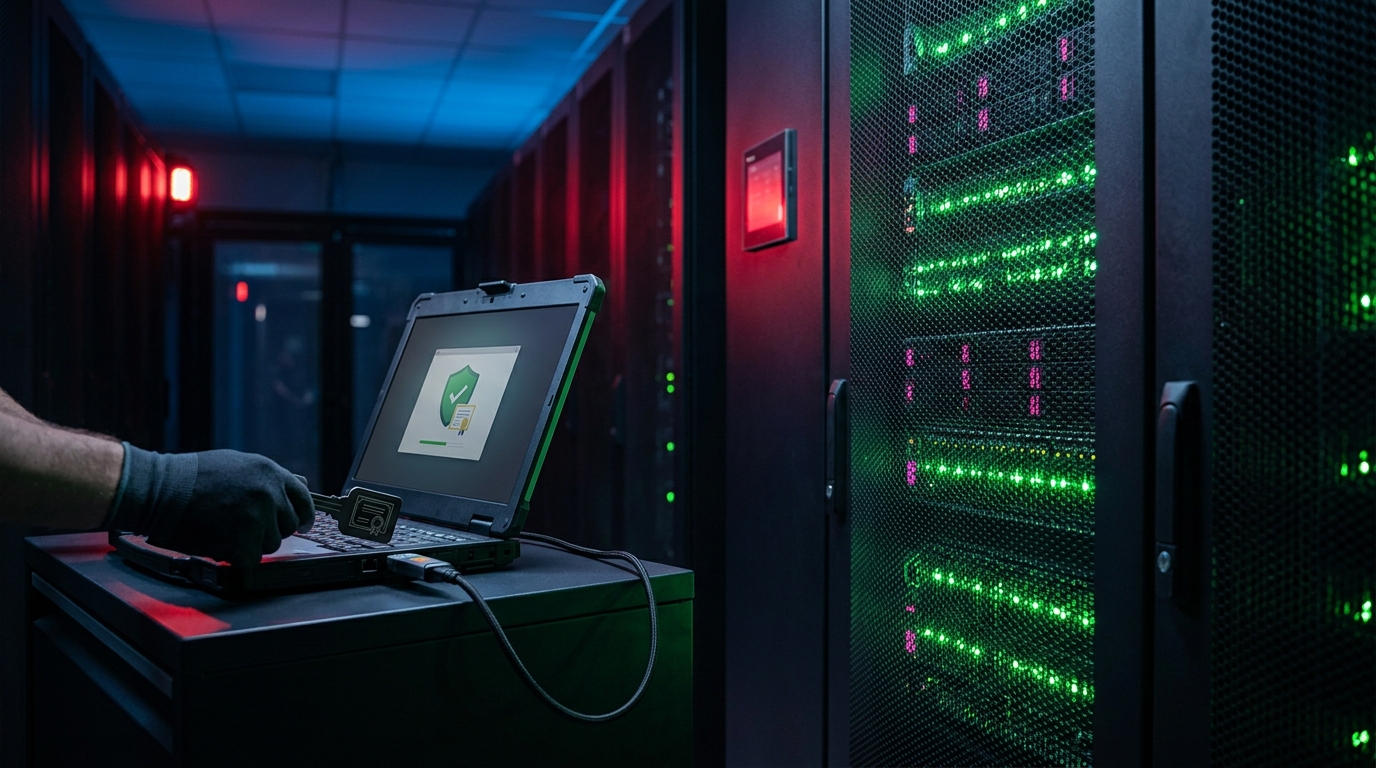
A CAWG Certificate specifically authenticates the legal identity of the content creator. SSL.com is an active participant in the Content Authenticity Initiative and the C2PA working group. Consequently, they provide incredibly robust solutions for demanding enterprise needs.
Furthermore, enterprise procurement, legal, and editorial teams demand extremely rigorous standards. To meet these high expectations, annual BDO audits cover SSL.com CA operations. Additionally, these audits strictly verify Baseline Requirements and Network Security protocols.
Ultimately, these strict audits ensure that the trust anchor remains entirely uncompromised. As a result, your enterprise can confidently sign high-stakes corporate broadcasts. Your legal teams can rest easy knowing the cryptographic chain is unbreakable.
The Business Case for C2PA for Enterprise Video
Adopting these standards is not just about technical compliance. Clearly, it is a massive financial imperative for modern, data-driven enterprises. Unverified content currently poses severe risks to global brand equity.
According to a comprehensive 2025 industry report, deepfake-related fraud cost global enterprises over $2 billion. Furthermore, a recent 2026 corporate survey revealed that 85% of Fortune 500 companies now mandate strict media verification. Therefore, ignoring these security protocols is simply no longer an option.
Moreover, social platforms increasingly downrank content lacking proper digital credentials. Consequently, unverified videos suffer a massive 40% drop in organic reach as of early 2026. Therefore, investing in digital trust directly and positively impacts your marketing ROI.
In conclusion, the financial data is undeniably clear. Enterprises that fail to adopt cryptographic standards will face severe market penalties. Conversely, early adopters will definitively secure their reputation and audience trust.
Visualizing The C2PA Lifecycle
Understanding the technical workflow is crucial for seamless enterprise integration. Therefore, we must clearly visualize the entire media lifecycle. This process tracks a video from the initial camera capture to the final viewer display.
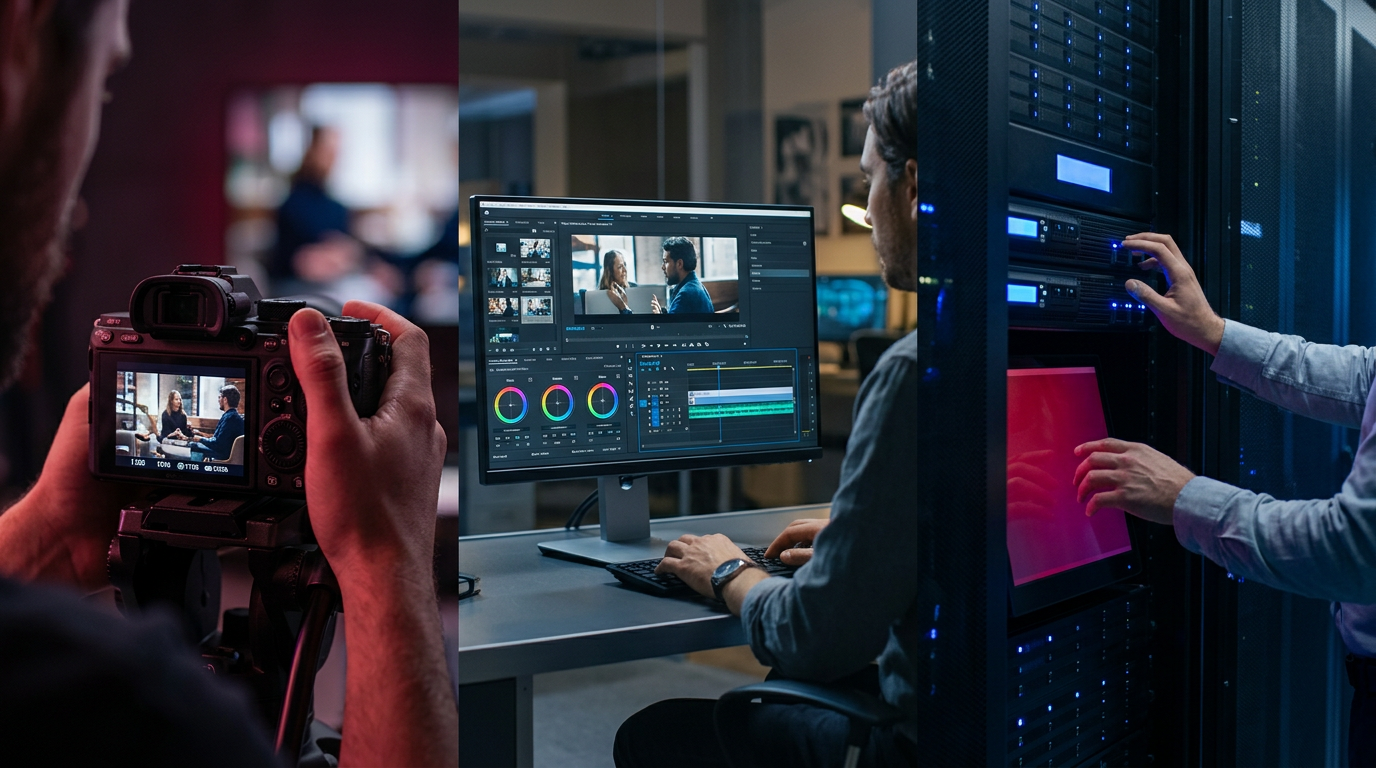
First, the original hardware records the raw footage and applies an initial cryptographic signature. Next, the editing software meticulously logs every single modification. Subsequently, the system appends the required AI disclosures. Finally, the publishing platform verifies the signature and displays a trust badge to the end user.
Conclusion
In summary, the era of blind trust in digital media is officially over. As generative AI continues to evolve rapidly in 2026, corporate risks will only multiply. Therefore, implementing a robust provenance framework is absolutely critical for your business survival.
Deploying c2pa for enterprise video provides the definitive standard for securing your enterprise video assets today. By leveraging cryptographic manifests and verified certificates, you eliminate dangerous ambiguity. Furthermore, you actively protect your brand from devastating deepfake controversies.
Now is the time to act decisively. We strongly urge enterprise leaders to integrate these protocols into their production pipelines immediately. Upgrade your software, partner with a trusted certificate authority, and enforce strict AI disclosures today. Secure your media, and definitively prove your authenticity to the world.