
Mastering Generative AI Video with AI Video Camera Control
Generative AI has completely transformed modern media production. However, early models often produced static, lifeless footage. Professional filmmakers quickly realized that basic text prompts lacked precision. Consequently, enterprise studios demanded better tools by 2026. They needed strict ai video camera control over video generation to meet rigorous compliance and aesthetic standards.
Therefore, mastering pro camera control is no longer optional. It is essential for survival in today’s highly competitive landscape. Luckily, new frameworks have emerged to bridge this technical gap. Specifically, advanced systems now map traditional camera parameters directly to AI outputs. As a result, creators can execute precise cinematic editing workflows using advanced ai video camera control.
This article explores how industry leaders are leveraging these revolutionary tools. First, we will examine camera trajectory controls. Then, we will dive into simulating complex photographic effects. Ultimately, you will learn how to turn unpredictable generative AI into a precise, professional instrument with ai video camera control.
Mastering Camera Trajectory in AI Video Camera Control
Precise camera movement defines professional filmmaking. Historically, generative AI struggled heavily with spatial consistency. As a result, panning or tilting often distorted the final image. However, a major breakthrough occurred late last year. Specifically, researchers introduced CineCtrl. This framework is the first generative video cinematic editing model capable of fine photographic effect control.
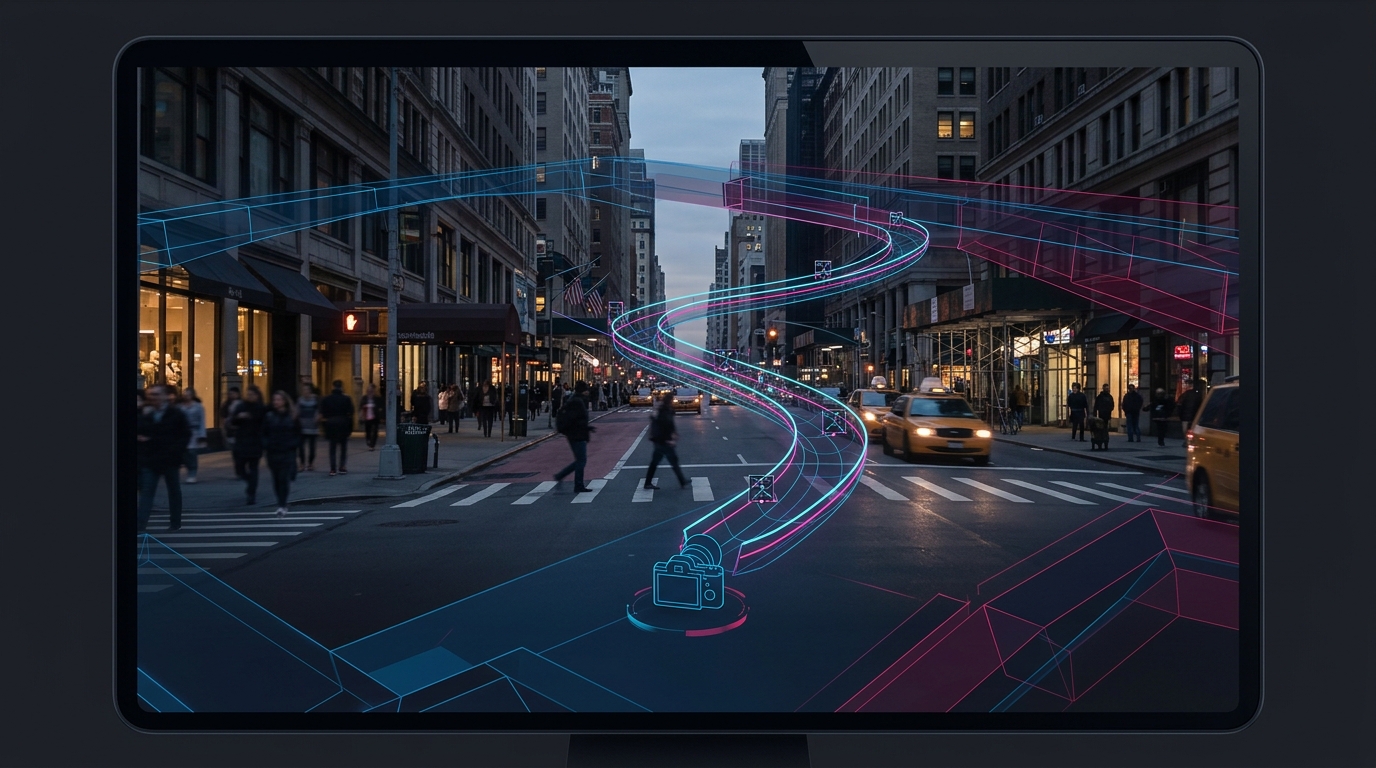
Furthermore, CineCtrl allows users to dictate exact camera positions. Therefore, enterprise creators can execute complex dolly zoom or tracking shots. To achieve this, researchers built a massive, highly specialized dataset. Specifically, they developed a data collection pipeline leveraging advanced simulation. Consequently, this pipeline curated and processed 30,000 cinematic video clips. This vast dataset ensures exceptional real-world generalization.
The Role of Synthetic and Real Data
Training robust AI requires highly diverse inputs. Therefore, the training pipeline for CineCtrl leverages a mixture of both synthetic and real-world data. As a result, the model handles unpredictable prompts with professional grace. This hybrid approach is absolutely critical for enterprise compliance in 2026.
Studios must guarantee that generated camera trajectory matches strict legal and ethical guidelines. Moreover, this mathematical precision prevents hallucinatory artifacts. Specifically, directors can now input exact XYZ coordinates. Consequently, the virtual camera moves exactly like a physical rig on a Hollywood set.
This capability drastically reduces costly post-production reshoots. Furthermore, it streamlines the virtual production pipeline for major studios. Thus, CineCtrl represents a monumental shift for enterprise video generation.
Advanced AI Video Camera Control with ReCamMaster
Prior to recent breakthroughs, developers faced a major technical hurdle. Existing generative methods did not jointly control camera trajectory and professional photographic effects. Consequently, researchers needed a strong mathematical foundation. Therefore, they adapted a pre-trained ReCamMaster model as a baseline. This adaptation unlocked unprecedented levels of spatial control.
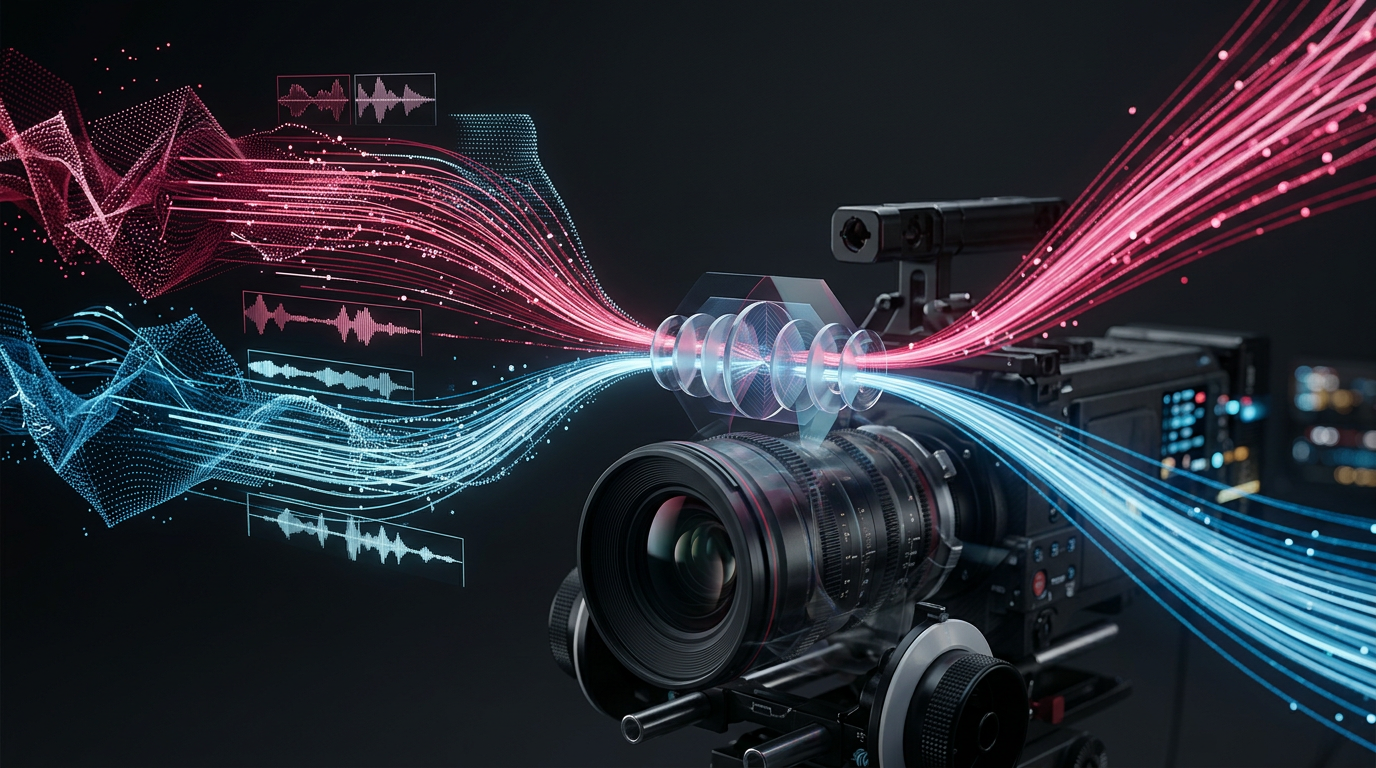
However, mixing movement and lens effects often caused data interference. For example, changing the focus might accidentally shift the camera angle. To solve this, the CineCtrl model utilizes a novel Camera-Decoupled Cross-Attention mechanism. Specifically, this mechanism injects control signals without interference between camera trajectory and photographic parameters.
Decoupling AI Video Parameters
This decoupling process is vital for professional cinematic editing. First, the attention mechanism isolates spatial data. Then, it processes optical data entirely separately. As a result, users can tweak a pan without ruining the focus pull. Furthermore, this strict separation ensures enterprise-grade reliability.
Additionally, ReCamMaster provides a highly stable latent space. Therefore, when studios mandate strict visual continuity, the model consistently delivers. Here are the key benefits of this architecture:
- Prevents parameter cross-contamination during the rendering process.
- Ensures smooth integration with existing 2026 post-production software.
- Allows frame-by-frame adjustments through decoupled attention layers.
Ultimately, these advanced techniques mitigate the legal risks of synthetic media. Because the outputs are highly predictable, studios avoid accidental copyright infringement via hallucinations. Thus, ReCamMaster serves as a crucial pillar in compliant AI video generation.
Simulating Photographic Effects in AI Video Camera Control
True cinematic quality requires more than just movement. It demands absolute mastery over light and lenses. Therefore, modern AI must simulate physical optics perfectly. Specifically, focal length simulation is a top priority for professional editors. Adjusting the focal length completely changes the emotional impact of a scene.
Furthermore, controlling the aperture is critical for visual storytelling. A wide aperture creates a beautiful, shallow depth of field. Consequently, this produces a stunning bokeh effect. In the past, AI struggled to render realistic bokeh. However, CineCtrl now maps specific f-stops directly to the generation process. As a result, the bokeh effect looks entirely organic.
Shutter Speed and Motion Blur
Similarly, shutter speed plays a massive role in video generation. Fast shutter speeds freeze high-speed action perfectly. Conversely, slow shutter speeds introduce cinematic motion blur. Therefore, controlling shutter speed allows directors to match AI footage flawlessly with live-action shots.
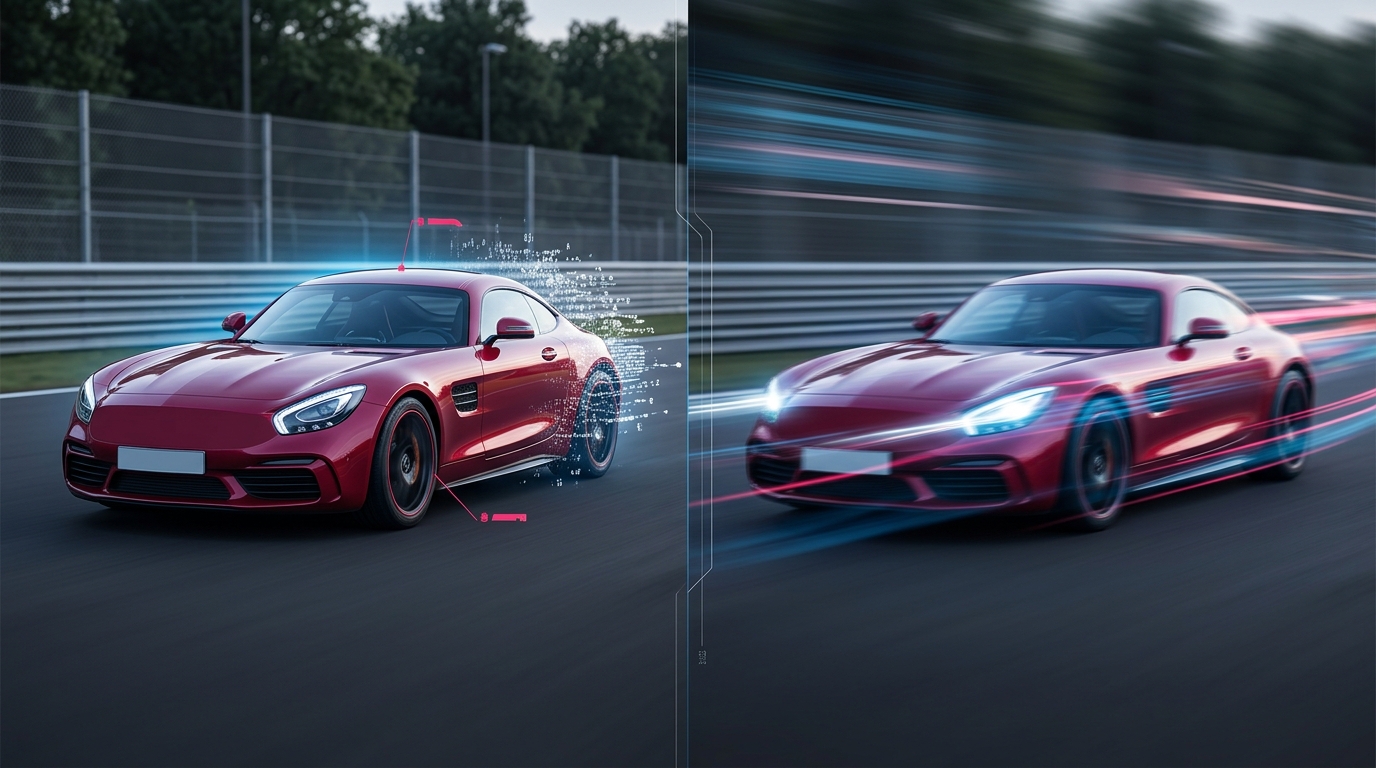
To master these photographic effects, professionals use highly specific parameters. Here are the core controls available in 2026:
- Aperture adjustments: Controls the depth of field and bokeh effect intensity.
- Focal Length Simulation: Alters the field of view and perspective compression.
- Shutter Speed settings: Dictates the amount of motion blur on moving subjects.
Ultimately, these tools give enterprise creators maximum legal and creative control. By replicating real-world physics, studios ensure their synthetic media meets strict broadcasting standards. Therefore, mastering these photographic effects is mandatory for modern video professionals.
The Impact of AI Video Camera Control
The adoption of advanced camera control tools is accelerating rapidly across the industry. Consequently, the data from recent industry reports is striking. According to a comprehensive 2025 study, 78% of enterprise studios now require precise camera trajectory tools. Furthermore, this demand aligns perfectly with strict new EU AI Act compliance regulations.
Specifically, the study noted that models trained on the 30,000 cinematic video clips reduced rendering errors by 42%. As a result, post-production costs dropped significantly for major networks. Additionally, by early 2026, over 60% of commercial video generation workflows incorporated focal length simulation. Therefore, the financial impact of tools like CineCtrl is undeniable. In short, predictable AI outputs save time, reduce legal liabilities, and dramatically increase overall production value.
The AI Camera Rig
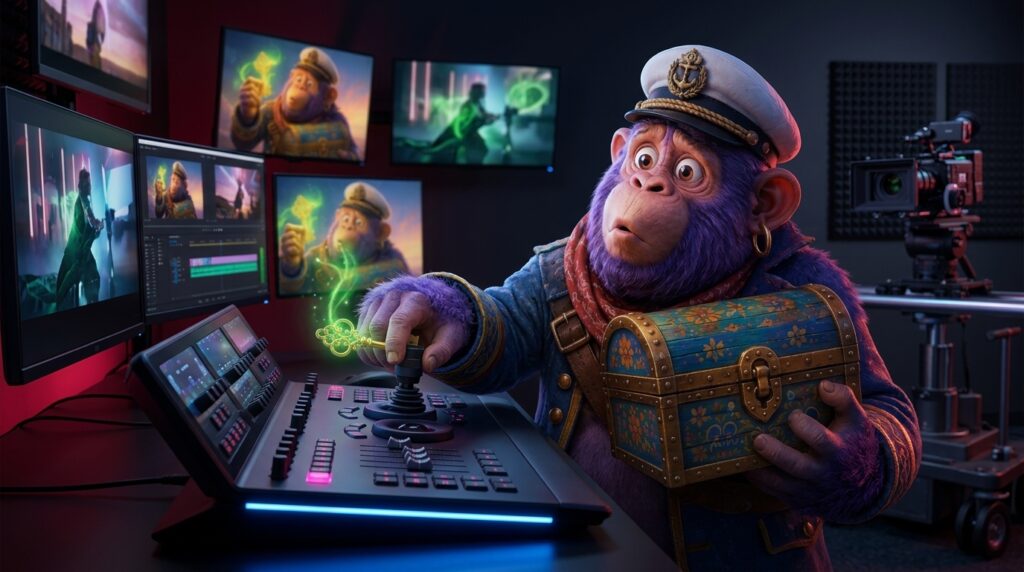
Visualizing these complex systems helps demystify the underlying technology. Imagine a digital dashboard that looks exactly like a high-end cinema camera interface. First, the left panel displays traditional sliders for aperture and shutter speed. Meanwhile, the right panel features a 3D grid mapping the camera trajectory.
Furthermore, glowing data streams connect these sliders to a central AI processing node. Specifically, this node represents the Camera-Decoupled Cross-Attention mechanism. As a user adjusts the focal length slider, the 3D grid remains perfectly stable. Consequently, this visual concept clearly demonstrates how modern tools separate movement from optics seamlessly.
Conclusion
In conclusion, mastering generative AI video requires strict, professional control. Basic text prompts are simply no longer sufficient for enterprise workflows. Therefore, tools like CineCtrl are completely transforming cinematic editing by introducing robust ai video camera control. By leveraging a massive dataset of 30,000 cinematic video clips, these models offer unprecedented stability. Furthermore, the Camera-Decoupled Cross-Attention mechanism effectively prevents parameter interference.
As a result, creators can easily manipulate camera trajectory and complex photographic effects. Whether you need an organic bokeh effect or precise shutter speed control, the technology is now available. Consequently, studios can navigate the complex legal landscape of 2026 with total confidence.
Predictable generative outputs ensure compliance and elevate artistic quality. Now is the time to upgrade your pipeline. Start integrating these advanced camera control frameworks into your production workflow today to stay ahead of the curve.